
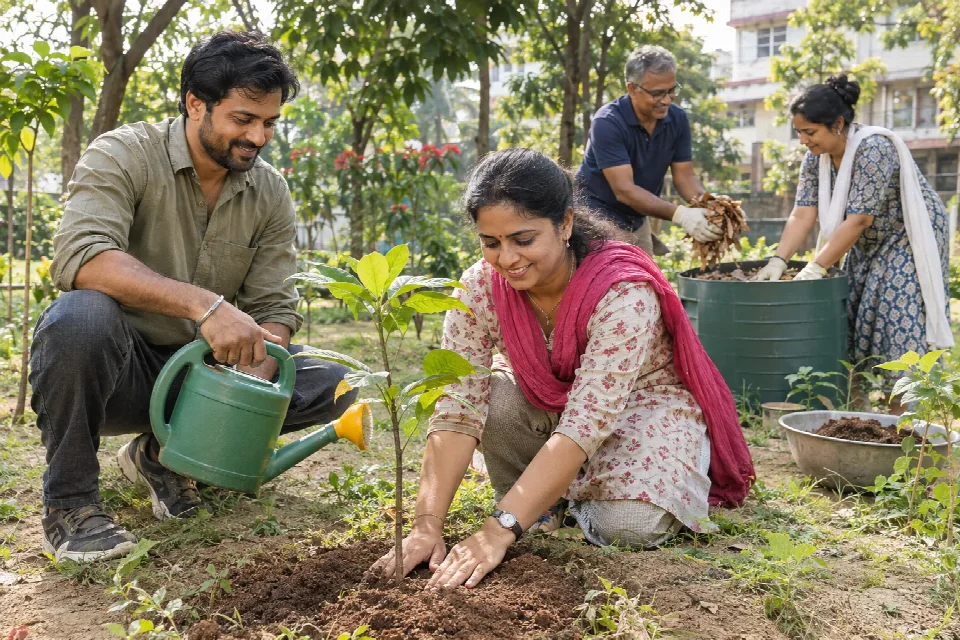
Social welfare and sustainable development connect the wellbeing of people with the quality of the places and relationships around them. IPED Foundation approaches this area through education, awareness and community participation, recognising that progress should be inclusive and attentive to long-term needs.
The focus is on understanding local priorities, encouraging responsible choices and exploring practical collaboration. Social awareness and environmental care can support one another when an initiative respects people’s circumstances and considers what can be maintained beyond a single activity. Proposed work should therefore be useful, proportionate and shaped with the people involved.
People and place belong in the same conversation
Questions about resources, access and the environment affect people differently. A community discussion can explore everyday practices, available knowledge and the practical barriers to change. Local experience is an important starting point for deciding what deserves attention.
Educational activity can help people compare options and understand the responsibilities attached to them. It should avoid suggesting that individuals alone can solve structural problems, or that a brief awareness session is evidence of a lasting environmental result.
Areas for shared learning and action
- Awareness of resource use, waste and everyday environmental responsibility.
- Community learning about local environmental priorities.
- Responsible care for shared spaces and neighbourhood resources.
- Inclusive discussion of wellbeing, access and social participation.
- Collaboration that connects educational understanding with practical follow-up.
These themes guide conversations about possible activity. Any specific intervention needs a clear plan, suitable permissions, appropriate expertise and an agreed approach to ongoing care.
Planning for continuity
An initiative is more useful when someone knows what needs to happen after the launch. Responsibilities, resources, maintenance and feedback should be considered while a proposal is being developed. A small activity with a clear follow-up can be more meaningful than an ambitious promise without support.
For example, an environmental learning activity can discuss who will care for a shared resource, how participants can raise concerns and when progress will be reviewed. Discussing these questions early helps participants share responsibility and plan realistic follow-up.
Reporting progress with context
Published updates should explain what took place, where and when it happened, and how the information was checked. Environmental or social outcomes need an appropriate basis; participation totals should not be presented as proof of benefits that were not measured.
The Foundation welcomes institutions, volunteers and community groups who want to explore a locally relevant and responsibly planned idea. Introduce the need, the proposed contribution and the arrangements that would make the activity workable.