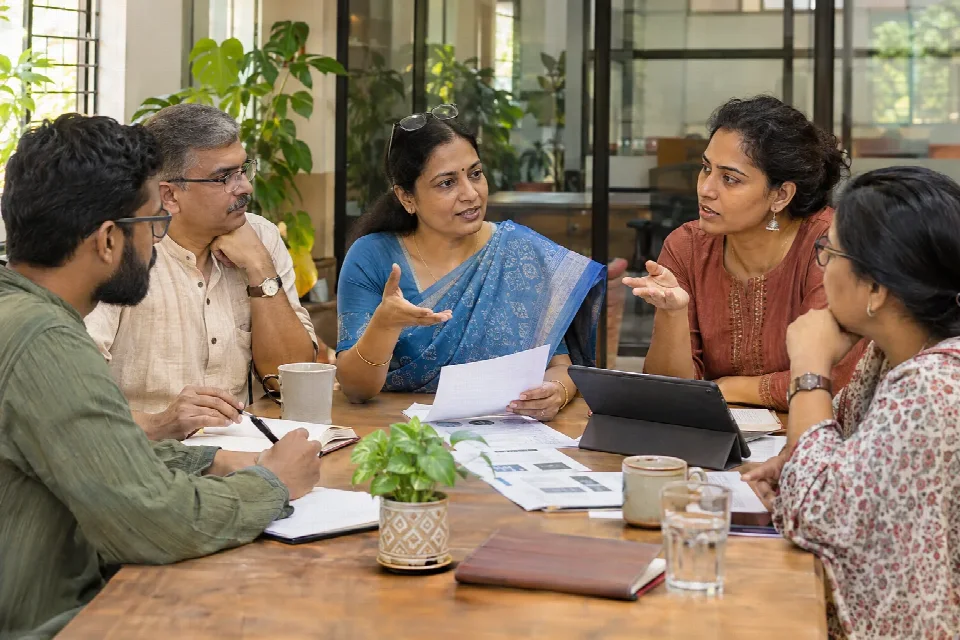
Institutional Partnerships
Connect knowledge, people and community purpose.
Shared knowledge.
Wider possibilities.
Meaningful partnerships begin with a shared question and a clear understanding of what each collaborator can contribute. IPED Foundation welcomes enquiries from educational institutions, researchers, community groups and organisations interested in education, peace, social awareness and inclusive development.
A collaboration may bring together knowledge, facilitation, learning resources, volunteer expertise or support for an agreed initiative. The first step is to discuss the purpose and fit. Scope, responsibilities, documentation and any financial arrangements are confirmed separately through the appropriate review.
Where our interests can meet
- Educational conversations, workshops and resource development.
- Peace education and respectful community dialogue.
- Academic exchange and research-related engagement.
- Youth participation and skill-based volunteering.
- Community-focused learning and sustainable-development awareness.
A good starting point is one defined objective and a contribution that fits both the Foundation’s purpose and the collaborator’s capabilities.
From an enquiry to an agreed plan
Introduce your organisation, the need or learning question, the people you hope to involve and the kind of support you are proposing. A short outline is enough to begin. The next conversation can identify a realistic activity, ownership of tasks and the resources needed.
Before delivery, collaborators should agree on permissions, participant care, communication, timelines and review. Where funding or a formal institutional arrangement is involved, the relevant eligibility and documentation requirements must be verified before a commitment is finalised.
Clear communication and useful reporting
Reporting should connect to the purpose agreed at the start: what was delivered, who could participate, what was learned and what needs follow-up. Any published result should include enough context to be understood accurately.
Partner names, logos and quotations are used only with the appropriate approval. The same care applies to participant information and images. This keeps collaboration grounded in trust and makes the public account of the work more useful to everyone involved.