
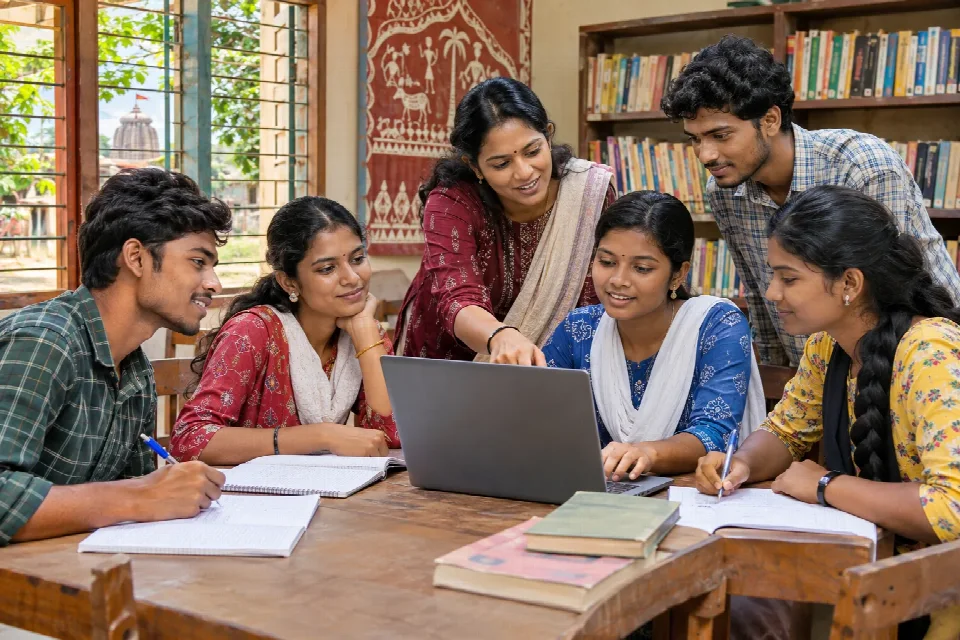
Education is most valuable when it helps people understand their world, make informed choices and participate with confidence. IPED Foundation connects its educational focus with peace, human dignity and inclusive development. Learning is not confined to a classroom: it also grows through discussion, reflection, practical enquiry and the exchange of experience.
Our educational outreach interests bring together educators, learners, volunteers and institutions around meaningful learning opportunities. The emphasis is on relevance, respect and access, with the format of each proposed activity shaped by the people involved.
Learning with understanding
A meaningful learning experience gives participants space to ask questions and connect ideas with everyday life. Reading, discussion, problem-solving and reflective activities can help make knowledge useful beyond an examination or a single session.
The Foundation’s interests include educational awareness, learning resources, teacher engagement and the relationship between education and society. Proposed outreach should explain what participants will explore, why it matters to them and how they can take an active role in the learning process.
Areas for educational collaboration
- Reading, discussion and learning-resource development.
- Conversations on teaching practice, inclusion and learner participation.
- Digital awareness and responsible use of information.
- Activities that connect peace, citizenship and social understanding with education.
- Exchange between educators, researchers and community groups.
These are areas for exploring collaboration. A particular workshop, course or outreach activity is announced only after its purpose, participants and delivery arrangements are agreed.
Making participation more accessible
Access involves language, timing, materials, physical spaces and the confidence to participate. Clear instructions, useful examples and respectful facilitation can help learners with different experiences contribute. Activities should build on what people already know rather than assume a single starting point.
Where children or other participants requiring additional safeguards are involved, suitable permissions, supervision and safeguarding arrangements must be considered before delivery. Public stories and photographs should respect privacy and never become a condition of participation.
Educators as partners in learning
Teachers and facilitators bring valuable insight into what helps learners engage. Reflective conversations can connect classroom experience with academic ideas and local priorities. The aim is an exchange in which participants learn from one another, rather than a one-way transfer of instructions.
An institution proposing collaboration can share its educational context, the group it wishes to involve and the learning question it wants to explore. Together, collaborators can identify a realistic format and the materials or expertise needed.
From participation to useful feedback
Review should consider whether learners understood the purpose, could contribute and found the activity relevant. Short reflections, discussion notes and appropriately collected feedback can help improve future work. Attendance alone does not demonstrate a learning outcome.
Any published educational result should identify the activity and reporting context. The Foundation welcomes thoughtful contributions from educators and volunteers who want to connect learning with a wider social purpose.